Understanding the major U.S. tax forms for contractors and prize money winners
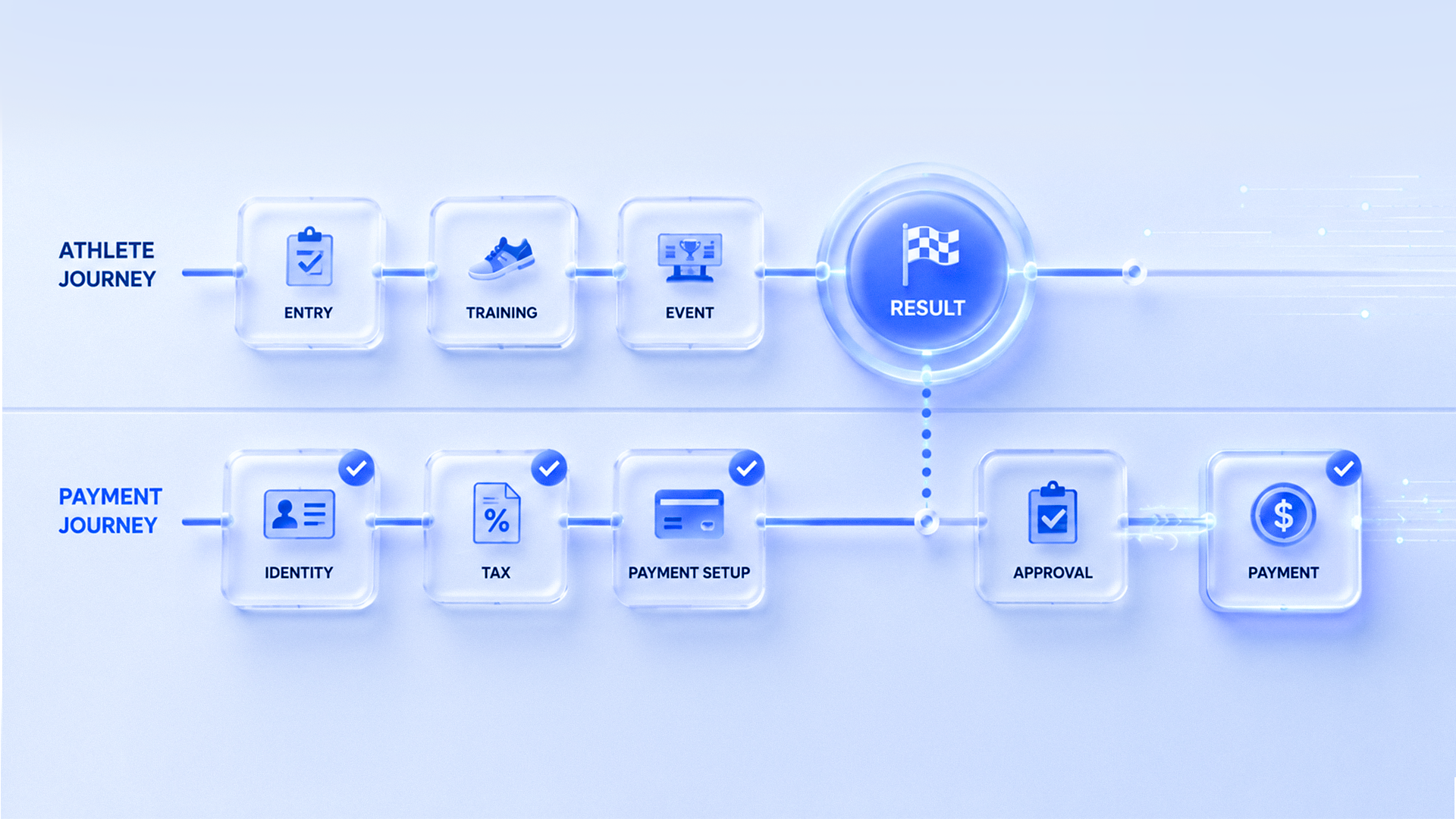
A prize winner, a contractor, and a nonresident athlete can each face different tax paperwork. This guide covers what to submit before payment, which forms arrive afterward, when withholding applies, and how to avoid errors.

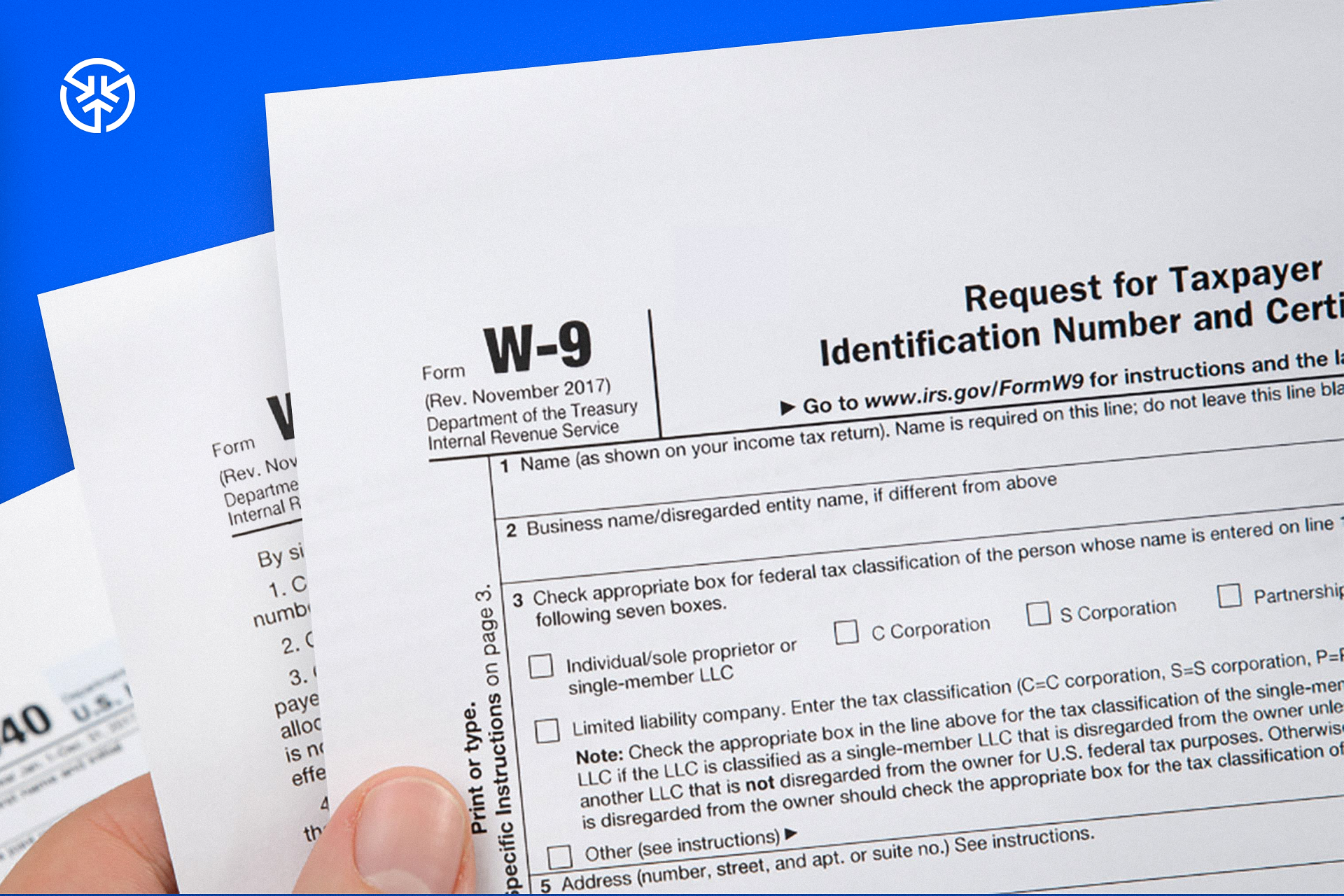
A tournament winner, a referee, and a foreign athlete paid by the same organizer deal with different tax paperwork. For reportable payments, the winner receives a 1099-MISC and the referee a 1099-NEC. And a nonresident athlete receiving U.S.-source income would need a Form W-8 or 8233 and later receive Form 1042-S.
Which form do I provide before getting paid?
- W-9 for U.S. payees
An organizer asks a U.S. person for Form W-9 to collect their legal name, address, federal tax classification, and taxpayer identification number (TIN). For an individual, the TIN can be a Social Security number or individual taxpayer identification number. A business can use an employer identification number.
The fact that you submitted a W-9 form does not mean that a 1099 will definitely follow. When the organizer collects your details, they might not know whether your payments for the year will reach a reporting threshold. If you receive money from an organization for multiple years, there is no general requirement to complete a new W-9 every year, as long as the information remains accurate.
- W-8 forms for foreign payees
The form a foreign payee provides depends on their U.S. tax status, whether the payment is made to an individual or an entity, and the type of income. Living abroad does not by itself make someone a foreign person for U.S. tax purposes.
The two W-8 forms most relevant to contractors and prize winners are:
A nonresident individual performing personal services in the United States can claim a treaty exemption from withholding on compensation through a Form 8233 instead of W-8BEN.
Other W-8 forms apply in less common situations involving effectively connected income, foreign intermediaries, foreign governments, and certain tax-exempt organizations.
Which form will you receive after payment?
- For a U.S. payee, a prize not paid for services is usually reported on Form 1099-MISC.
- A fee paid to a U.S. independent contractor for work such as officiating or producing an event is generally reported on Form 1099-NEC.
- Wages paid to an employee go on Form W-2.
- A foreign payee with reportable U.S.-source income may receive Form 1042-S.
The payor reports the applicable amounts to the government and provides the payee with a statement for their records and tax return. That statement identifies the payor and payee and shows the reported payment and any federal tax withheld.
For qualifying prize and nonemployee-service payments, the general federal 1099 reporting threshold is $2,000 paid to a payee during the calendar year. For payments made before 2026, it was $600. The threshold will be adjusted for inflation beginning in 2027. Relevant payments from the same payor add up over the year, so several tournament prizes from the same organization might cross the threshold. Backup withholding can also trigger reporting below the usual threshold. For the organizer’s filing responsibilities, see our guide to 1099 compliance for athletes, agencies, and collectives.
The $2,000 threshold generally determines whether the payor has to issue Form 1099-MISC. It does not make the first $2,000 tax-free. For example, even if a $1,500 cash prize paid in 2026 doesn’t require a 1099-MISC, the recipient might still need to report it as income. It’s important to keep a record of the payment even if no form arrives.
Why doesn't a foreign payee simply get a 1099?
Payment for services performed in the U.S. by a nonresident contractor may need to be reported on 1042-S even if it is below $2,000. The payor might also have to withhold 30% unless a tax treaty or another exemption reduces the rate.
For service income, the source usually depends on where the contractor physically performs the work. If a non-U.S. contractor performs all the work outside the United States, the payment is considered foreign-source even when the client is a U.S. company. That U.S. classification does not determine the contractor’s tax obligations in their country of residence.
Does it matter whether you’re a contractor or an employee?
Yes. Employees generally have taxes withheld through payroll, fill out a W-4, and receive Form W-2. U.S. independent contractors handle their own taxes and can deduct eligible business expenses. They need to make estimated tax payments when their tax and withholding meet the applicable requirements.
The working relationship determines whether someone is an employee or an independent contractor, not the form chosen by the payor. If you believe you received the wrong form, ask the payor to correct it.
Professional gamers and streamers who operate as self-employed businesses can review our guide to tax deductions for gamers and streamers.
How is prize money taxed?
A cash prize from a sports championship or esports tournament is usually classified as income. The tax owed by a U.S. individual depends on their income, deductions, and filing circumstances. Winning a prize does not by itself turn you into an independent contractor. A prize unrelated to services is generally treated differently from a fee you earned for working the event.
The distinction can matter beyond the form's name. In an IRS example, a community prize is mistakenly reported on a 1099-NEC. The winner should ask for a corrected statement because reporting that particular prize as self-employment income could incorrectly subject the prize to self-employment tax. The nature of an athlete's or contractor's activity can affect their own tax treatment, so use the payment terms and your records rather than assuming every prize has identical treatment.
What information do you need to provide, and what if the form is wrong?
Before payment, make sure the organizer has your correct legal name, tax status, address, and identifying number appropriate to the form. A foreign payee may also need a country of tax residence, foreign tax ID, entity classification, or treaty information, depending on the form and claim. Missing or inconsistent information may delay the payout. Keep your award notice or contract, invoices for work performed, payment confirmations, and a record of any tax withheld.
After payment, compare those records with the statement you receive. A statement may report the gross amount, while your bank account shows a smaller amount after withholding. If a prize not paid for services appears on a 1099-NEC, or the name or amount is wrong, ask the payor for a correction. If you expected a 1099-MISC and did not receive one, ask for a copy.
How does a payment platform help?
For payees, a connected payment platform can provide one place to submit requested tax information, choose a payment method, track a payout, and retrieve tax documents. That makes it easier to spot a missing detail before payment and reconcile the amount received with the statement issued later.
Payment Labs offers payees a dashboard for payout tracking and tax documents, along with payment support.
How do organizations manage tax forms and payouts?
For organizers, paying tournament winners involves more than issuing a transfer. Payment Labs collects and validates recipient tax information, keeps it linked to each payment, applies withholding where required, and generates year-end tax forms. The case studies below show how organizations use these workflows for prize, athlete, and contractor payments.
- Arnold Sports Festival - prize payouts, contractor payments, and tax withholding.
- X Games - cross-border athlete payouts and tax document generation.
- Association of Pickleball Players - tax form collection and prize payouts to U.S. and international athletes.
- MediaNug - contractor onboarding, global payments, and year-end tax reporting.
- Evolution Championship Series - international winner onboarding, tax information collection, and esports prize payouts.
- Blue Mammoth Games - global prize payouts for Brawlhalla tournaments.
- LiquidDogs - compliant esports prize payments across multiple countries and currencies.
Talk to Payment Labs about managing prize and contractor payments across events and countries.